
Warts · Skin tags · Moles · Skin growths
That bump on your skin? Let's figure it out.
Plain-English answers on warts and the growths that look like them — and how cryotherapy, topicals, laser and other treatments work. When you're ready, tell us your ZIP code and we'll connect you with a local provider who treats exactly that.
Every kind of wart and skin bump
What are you dealing with?

Common warts
What causes warts on hands and fingers, whether they spread, and when to see a provider.
Explore

Plantar warts
Warts on the soles of the feet — why they hurt, how they spread and how they're treated.
Explore
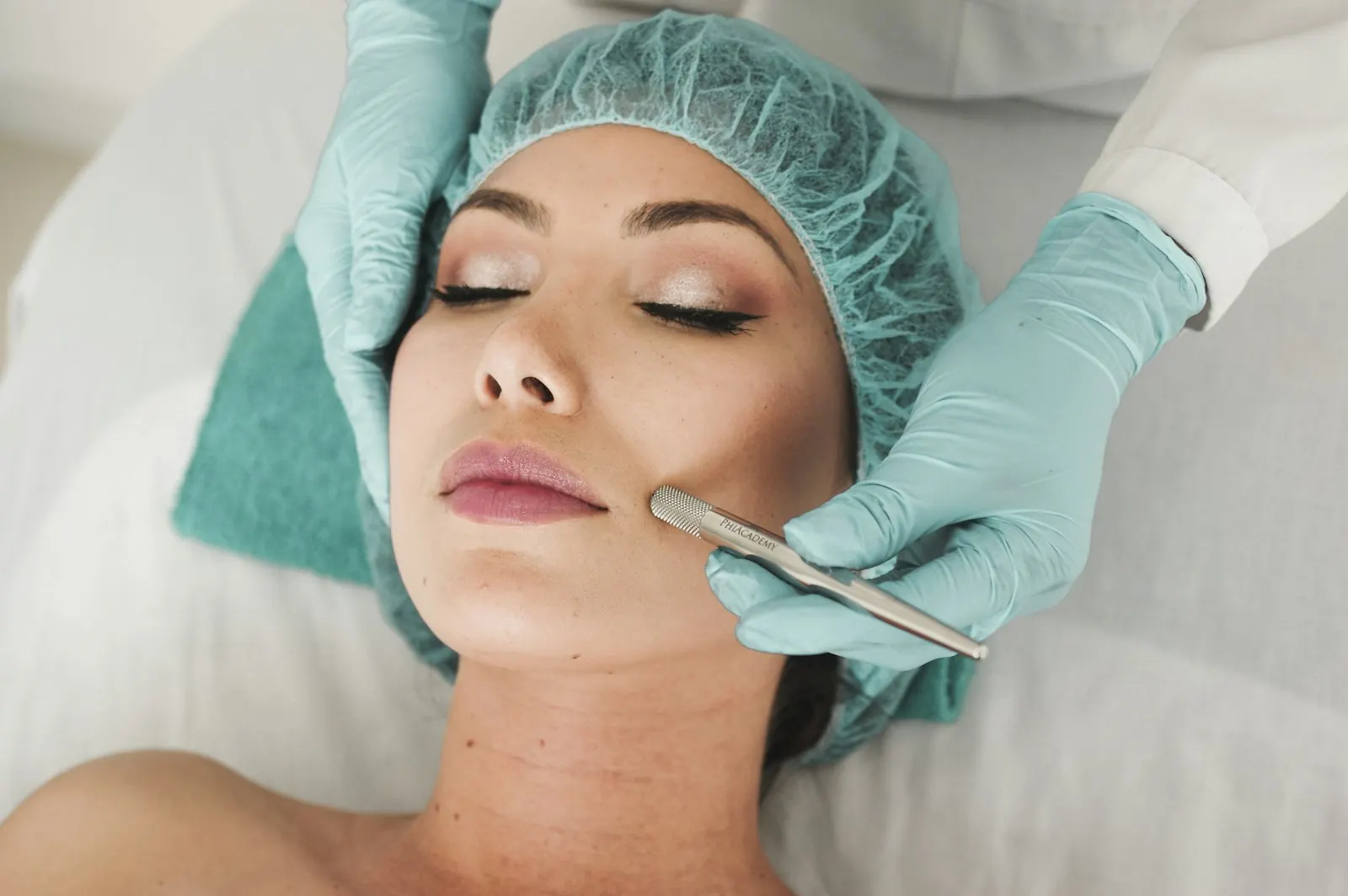
Flat & filiform warts
Smaller warts on the face, beard area and legs — and why treatment there needs extra care.
Explore

Genital warts & HPV
A calm, private, non-graphic guide to genital warts, HPV and getting checked.
Explore

Molluscum contagiosum
The small, pearly bumps common in kids — how they spread and the options parents have.
Explore
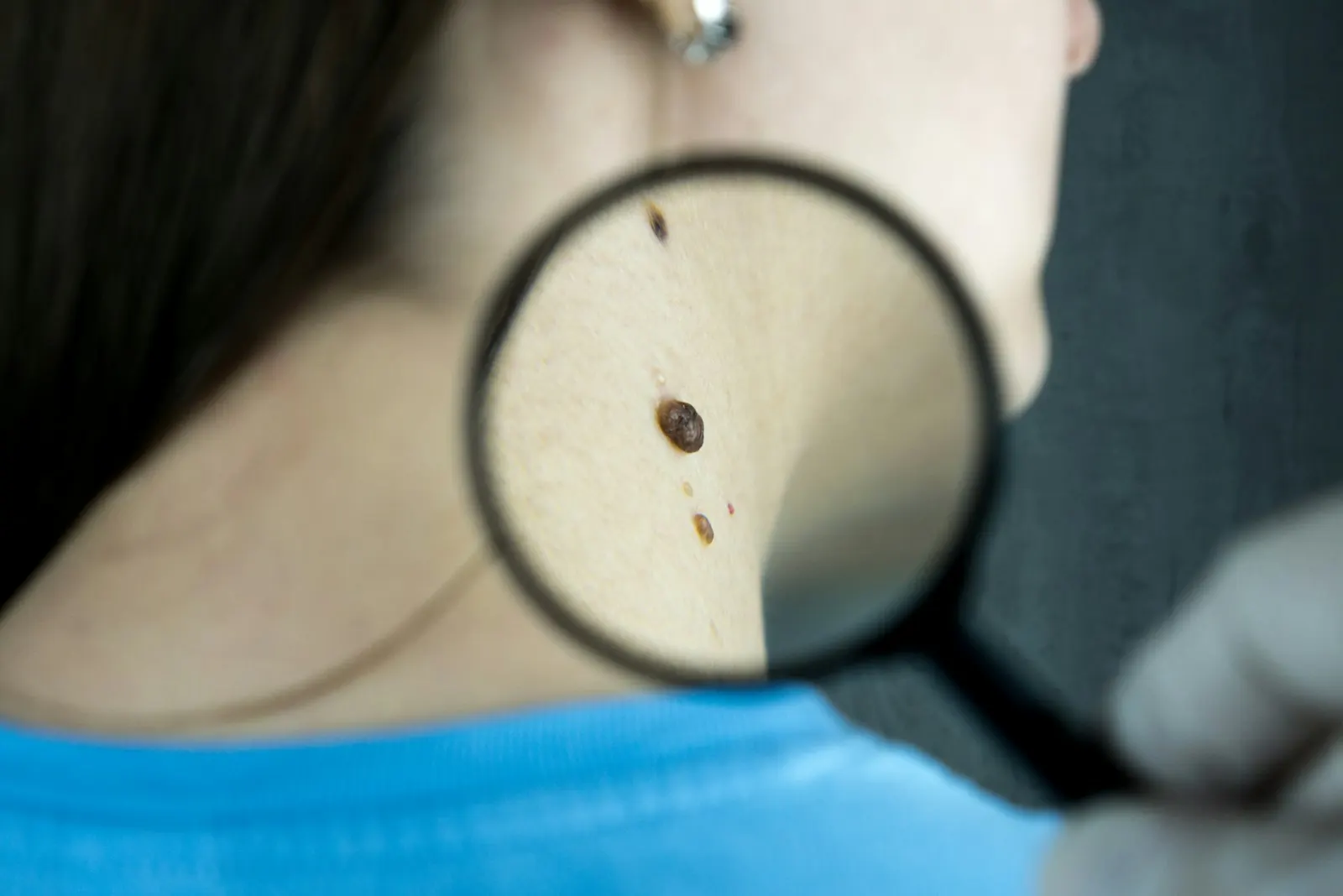
Skin tags & seborrheic keratosis
Common harmless growths that get mistaken for warts — how to tell them apart and remove them.
Explore

Moles, actinic keratosis & skin cancer checks
When a spot isn't a wart: rough sun-damaged patches, changing moles and when to get a skin check.
Explore
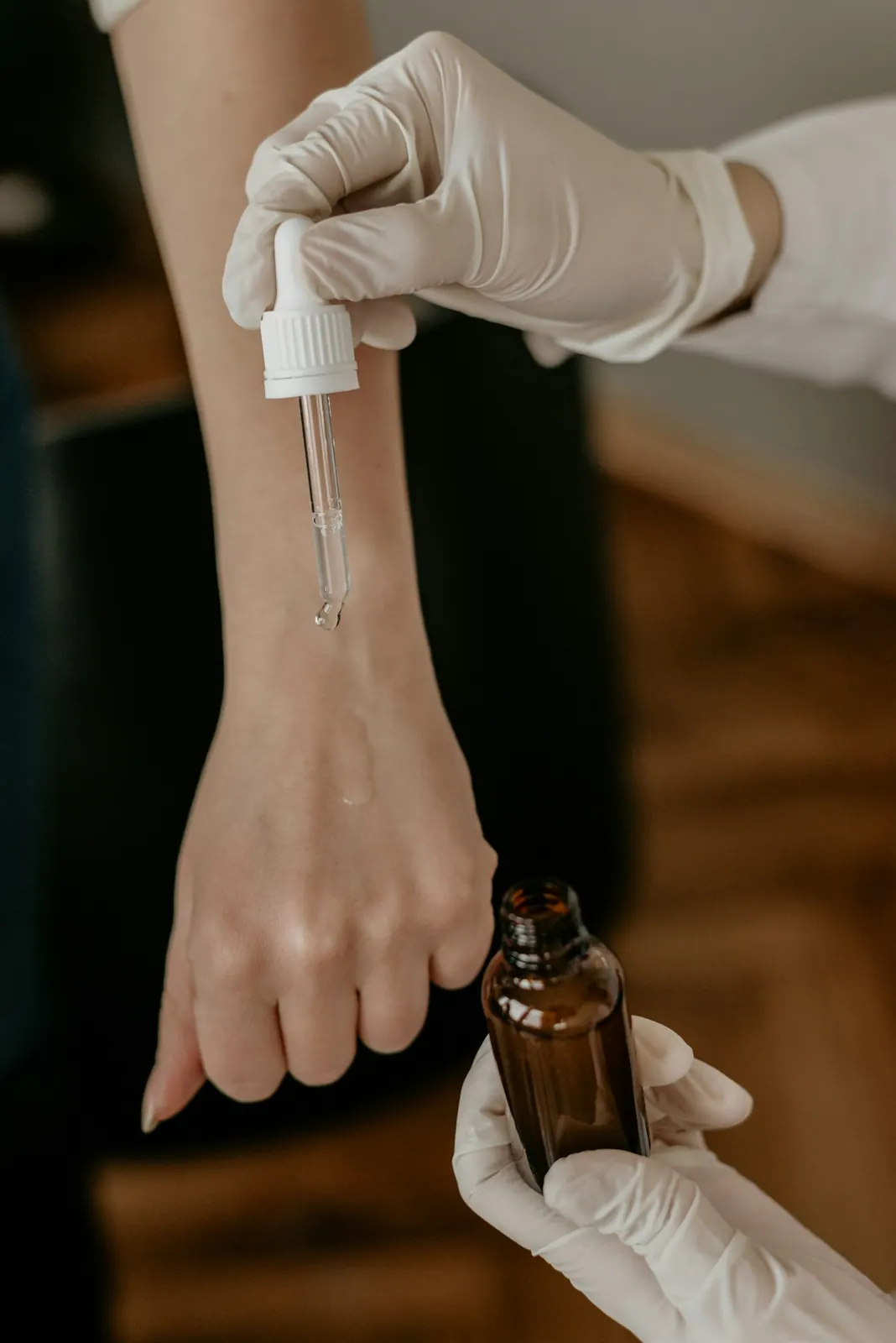
Wart removal treatments
Cryotherapy, salicylic acid, cantharidin, laser, excision and immunotherapy — how each works and what to ask.
Explore
What do you need?
Pick what you're looking for — we'll explain it in plain English and connect you with a local provider who treats exactly that.
Clear answers about your skin.
Warts on hands and feet, bumps on a child's skin, a skin tag that catches on your collar or a spot that's changing — there's a provider near you who sees this every day.
Request an appointment

How it works
1
Tell us what you see
A wart, a bump, a skin tag or a spot you're unsure about — plus your ZIP code. It takes a minute.
2
Meet your local provider
See the dermatologist, podiatrist or skin-care provider who serves your ZIP code for that concern.
3
Get it checked
They reach out to set up a visit — in office or by telehealth where it fits.
FAQ
Questions people ask
What causes warts?
Warts are caused by certain types of human papillomavirus (HPV) infecting the top layer of skin, usually through a small cut or scrape. Different HPV types tend to cause warts in different places, such as the hands, the soles of the feet or the genital area.
Are warts contagious?
Yes, warts can spread through direct skin contact or shared surfaces like pool decks and showers, though not every exposure leads to a wart. Avoiding picking at warts and keeping feet covered in shared wet areas can help limit spread.
How do I know if a spot is a wart or something else?
You often can't tell for sure on your own — skin tags, seborrheic keratoses, corns, molluscum and some skin cancers can look like warts. A dermatologist or other qualified provider can examine it and, if needed, take a biopsy.
When should I see a dermatologist instead of treating a wart at home?
See a provider if a growth is changing, bleeding, painful, irregular in color or shape, on your face or genitals, spreading, or not improving with over-the-counter care — and anyone with diabetes, poor circulation or a weakened immune system should ask a provider before treating a foot wart at home.
What are the main wart treatments?
Common options include salicylic acid, cryotherapy (freezing), cantharidin, laser treatment, excision and immunotherapy. Which one fits depends on the wart's type and location and on your health, so a provider should help you choose.
Does Warts.ai give medical advice?
No. Warts.ai is educational and a referral directory — it is not medical advice. Only a licensed clinician who has examined you can diagnose a skin growth or recommend treatment.
I'm a provider — how do I receive referrals?
List your practice for free, or hold an exclusive ZIP code by category: 1 category for $99/month, 5 categories for $299/month, or every category for $749/month. Referrals arrive in your email and your CRM back office, where you can track and add notes.
Are you a dermatologist, podiatrist or skin-care provider? Hold your ZIP code for the categories you treat — referrals come straight to your inbox and CRM.
For providers →